Specialty Lubricants That Lead to Life
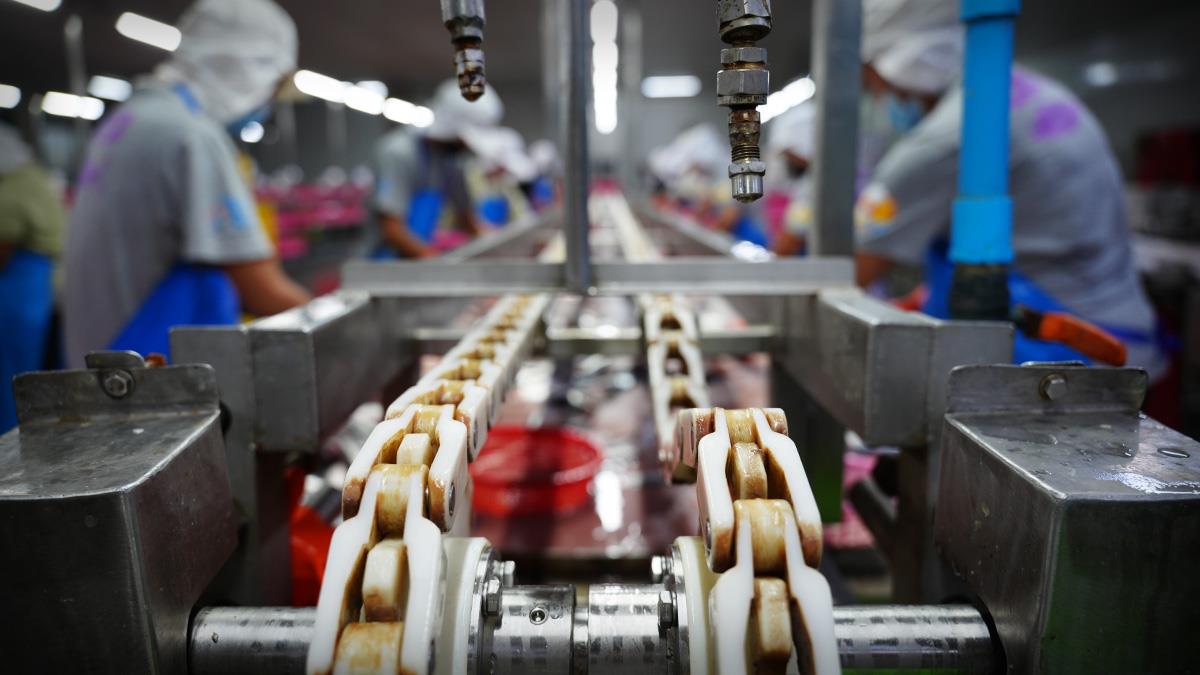
At the 2025 Reliable Plant Conference, I opened my session with a simple but important question:
What if your lubricant could actually extend the life of your chain—not just delay its failure?
In many high-temperature, high-speed conveyor systems, traditional oil-based lubricants just can’t hold up. They get burned off, leave behind sticky residue, or attract dust and dirt. And yet, in too many plants, chain failure is accepted as normal—just another part of the maintenance cycle.
But it doesn’t have to be that way.
We’ve seen firsthand—across hundreds of facilities—that the right specialty lubricant, paired with the right application system, can do more than protect your equipment. It can extend the useful life of your chain, reduce downtime, and make your maintenance team’s life easier.
That’s the promise of dry-film lubrication. And more facilities should be using it.
What Is a Dry-Film Lubricant?
Dry-film lubricants are different from the oils or greases you might be used to. Instead of staying wet or sticky, they go on as a spray or light liquid and then dry to leave behind a thin, solid film.
This film sticks to metal surfaces and reduces friction between chain pins and rollers—without attracting dirt or breaking down under heat. Common ingredients include things like PTFE (similar to what’s in non-stick cookware) or molybdenum disulfide, which can handle a lot of pressure and heat.
The key benefits:
- Goes on wet, dries quickly
- Leaves no sticky residue
- Handles high temperatures (400°F+)
- Doesn’t collect dirt or dust
- Lasts longer between applications
You’ll find dry-film lubricants working best in places like:
- Automotive paint lines
- Food conveyors
- Curing ovens
- High-speed packaging lines
- Overhead conveyors where dripping is a problem

Why Traditional Lubricants Fail
In high-heat areas, regular lubricants struggle. Oils burn off. Grease melts, drips, or bakes into sludge. Even in lower temperatures, oils can attract dirt or carbon and gum up a chain.
I once walked through a plant that was replacing conveyor chains every 9–12 months. Their lubricant was literally cooking off, leaving the chains dry and exposed. After switching them to a dry-film solution—and automating the application—they pushed that chain life to 30 months. Downtime dropped by over 60%.
That’s not a small win. That’s a system-wide change.
How Dry-Film Lubrication Extends Chain Life
Here’s what makes dry-film so effective:
- It reduces friction – The dry film stays bonded to the chain and keeps metal parts from grinding on each other
- It resists heat – No burning, no smoke, no breakdown
- It stays clean – No carbon, no sludge, no mess
- It stays put – No dripping or overspray
- It’s safer – Lower fire risk, fewer fumes, and no slippery floor hazards
In some plants, we’ve seen weekly chain inspections stretch out to quarterly because the lubricant just keeps doing its job.
When Dry-Film Lubricants May Not Be the Right Fit
While dry-film lubricants offer huge benefits in many environments, they’re not ideal for every application. There are certain cases where a traditional oil- or grease-based product may be more effective.
Dry-films may not be the best choice when:
- High contamination or washdown is involved. In facilities where equipment is frequently exposed to water, cleaning chemicals, or high-pressure washdown, dry-films can be washed off too easily unless specifically formulated for moisture resistance.
- Chains need deep penetration into tight tolerances. If the chain is already experiencing internal wear or has very tight pin-bushing clearance, a thin-film may not penetrate deeply enough to flush out debris or restore smooth movement.
- Low-speed, high-load applications. In some heavy-duty applications like slow-moving drag conveyors or large drive chains with shock loading, a high-viscosity grease may provide better protection and cushioning.
- Outdoor or dirty environments. If dust, dirt, or mud are major issues, and the chain doesn’t operate in a clean zone, dry-films can wear off faster without proper shielding or reapplication.
That's why we always recommend evaluating the entire system, speed, temperature, exposure, and environment, before making the switch.
Application Matters
The best lubricant in the world won’t help if it’s applied the wrong way.
In fact, most of the failures we see with dry-film lubrication come from things like:
- Too much or too little being applied
- Manual spraying done inconsistently
- Lubricant not hitting the right parts of the chain
- Overuse from the belief that “more is better”
That’s why we strongly recommend automated spray systems. With the right setup, you can:
- Control how much lubricant is applied
- Adjust how often it’s sprayed
- Aim the spray directly at chain pins and rollers (not side plates)
Automation not only improves consistency, but it also takes the guesswork out of lubrication and frees up your team to focus on other priorities.
Picking the Right Dry-Film Lubricant
Not all dry-films are the same. Some work great in high heat. Others are food-safe. Some leave behind powdery residue that can cause buildup. It’s important to know what your line needs.
Look for:
- High heat resistance (400°F or higher)
- A clean, dry finish (no carbon or sticky leftovers)
- Compatibility with your current spray system
- Support from the supplier to help with set-up and training
Don’t just buy the cheapest product. A few cents saved per ounce can cost you thousands in extra chain wear or cleanup issues. Focus on performance and total uptime.
The Future of Lubrication
As plants look to cut downtime, save energy, and work smarter, dry-film systems are stepping up.
We’re already seeing more:
- Smart spray systems that adjust based on machine runtime
- Eco-friendly dry-films that are safer for food and people
- Hybrid lubes that combine dry-film strength with deep-penetrating oils
The old approach of “just spray it once a week” isn’t good enough anymore. Lubrication is no longer an afterthought—it’s a key part of plant reliability.
Closing Thoughts
If you’re still using the same lube you did 15 years ago because “it’s what we’ve always used,” it might be time for a change.
Dry-film lubricants don’t just sound good in theory, they work in the real world. They reduce failures, extend chain life, keep your line cleaner, and take pressure off your maintenance team.
So, the next time you’re asked, “Is the chain lubricated?”
Try asking instead:
“Is our lubrication giving us life—or costing us it?”
Because when your lubricant leads to less downtime, longer chain life, and a safer plant—that’s maintenance that makes a difference.