




When it comes to regreasing bearings, more is not always the better option and actually can be a costly mistake. Overgreasing can lead to high operating temperatures, collapsed seals and in the case of greased electric motors, energy loss and failures. The solution is to use calculations to determine the correct lubricant amount and frequency of relubrication.
Manual greasing is still a perfectly acceptable method when performed correctly, however, it requires precise control of both grease volume and relubrication interval. In applications where this level of consistency is difficult to maintain, automatic single-point lubricators are an increasingly popular alternative, providing a controlled and repeatable method of grease delivery. The latest innovations in these devices include Bluetooth and Long Range capabilities, allowing users to track and control greasing from a distance which improves safety and time management. Ultimately, the goal is to apply the right lubrication approach—manual or automatic—based on asset criticality, accessibility, and the level of precision required to protect bearing life.
The Hidden Costs of Overgreasing
Too much grease volume in a bearing cavity will cause the rotating bearing elements to begin churning the grease, pushing it out of the way, resulting in energy loss and rising temperatures. This leads to rapid oxidation (chemical degradation) of the grease as well as an accelerated rate of oil bleed, which is a separation of the oil from the thickener.

The heat that has been generated over time along with the oil bleed eventually will cook the grease thickener into a hard, crusty build-up that can impair proper lubrication and even block new grease from reaching the core of the bearing. This can result in accelerated wear of the rolling elements and then component failure.
Seal damage is another negative side effect of overgreasing. Grease guns can produce up to 15,000 psi, and when you overgrease a bearing housing, the lip seals can rupture, allowing contaminants such as water and dirt to gain access into the bearing housing. Keep in mind that lip seals usually fail around 500 psi (read Lip Seals - A Practical Guide for more about this topic).
This excessive pressure can also damage single and double-shielded bearings, causing the shields facing the grease supply to collapse into the bearing race and leading to wear and eventually failure. When too much pressure is generated from a grease gun due to overgreasing, it is easy for the hard, crusty grease formed from heat (high operating temperatures) to be broken apart and sent directly into the bearing track.
Overgreasing electric motor cavities has the same effect as with any bearing application except that grease can reach the motor windings. When filled completely with grease, an electric motor bearing will generate excessive heat due to churning. This results in energy loss as well as an accelerated rate of oil bleed and hardening of the grease thickener.
Again, the high pressure applied from a grease gun can result in grease finding its way between the shaft and inner bearing cap and pressing into the inside of the motor. The result over time is the coating of the electric motor windings with grease, which leads to both winding insulation and bearing failures. Automatic single-point lubricators help mitigate these risks by eliminating pressure spikes, delivering grease slowly and evenly over time.

perma STAR VARIO operates fully automatically, independent of temperature and pressure with a very precise discharge. The system consists of an electromechanical drive, an LC with 60, 120, 250 or 500 cc of lubricant, and a battery pack.
Building a Controlled Lubrication Program
Improving your maintenance program is key to solving the problem of overgreasing. Each lube point, whether it be a bearing housing or electric motor, should be tracked as an asset, and records kept for scheduling planned maintenance or inspections of the asset. Once you have planned the scheduling of the assets, you will need to determine the timing and amount of grease (volume) that should be applied at each point.
Calculating Grease Volume
The following formulas from the perma SELECT APP calculation tool are used to calculate the grease quantity Gₚ:
Replenishment from the side of a bearing:
Gₚ = 0,005 * D * B
Replenishment through the bearing outer or inner ring:
Gₚ = 0,002 * D * B
Gₚ = Grease quantity
D = Bearing outside diameter
B = Bearing width
| 70% | of lubrication professionals believe overgreasing is a problem at their plant, according to a recent survey at machinerylubrication.com |
Next, calibrate all grease guns in use and train the technicians on the proper procedures of usage. Calibrating a grease gun is very simple. All you need are the grease gun and a postal scale. Determining the weight in ounces per full stroke (shot) of the grease gun will allow you to identify the number of shots it takes to equal 1 ounce of grease. This will help you establish the right volume needed to ensure you are delivering the precise amount at each use.
After you have determined the correct volume, it’s time to establish the proper frequency by determining grease life.
Calculating Grease Life
Grease life = period in which the bearing is sufficiently lubricated without relubrication.
After the end of the grease life the lubricating function is given only conditionally, and can lead to failure of the bearing due to lubricant shortage.
The grease life tfG can be calculated using the following formula:
tfG = tᶠ × f1 × f2 × f3 × f4 × f5 × f6
tᶠ = basic grease life [h]
f1 = factor for higher bearing temperature
f2 = factor for increased load
f3 = factor for moisture / contamination
f4 = factor for vibration / shock load
f5 = factor for shaft orientation
f6 = factor for air currentFeedback tools can also be beneficial for fine-tuning your frequency. For example, ultrasonic instrumentation is one of the best ways to optimize the correct frequency and help you set up your maintenance program.

Manual Greasing Procedures
Establishing appropriate procedures and inspections during manual relubrication is another important part of a maintenance program. Some basic steps include:
-
Cleaning areas around the fill and relief fittings.
-
Ensuring the grease relief valve moves freely or the drain plug is removed.
-
Checking to be sure the relief passage is clean from any hardened grease that may be blocking grease from exiting.
-
Greasing the bearing cavity with the correct calculated volume of grease while slowly adding each shot to minimize excessive pressure build-up.
-
Allowing the motor to run during and after greasing to expel any excess grease. This should be done before re-installing the purge port or bottom grease relief valve and cleaning the area of any excess grease.
Tips to Control Overgreasing
-
Discontinue greasing when you feel abnormal back pressure.
-
Always make sure exhaust ports are cleaned out from any debris or old, hard crust that could be blocking the passageway.
-
Consider installing grease guns with pressure gauges, shut-off grease fittings or relief-type vent plugs.
-
Slowly pump grease into bearings every few seconds. Using a quick-lever action could cause seal damage and not allow the grease to distribute throughout the bearing correctly.
Automatic Single-Point Lubricators: A Consistent Alternative
Automatic single-point lubricators address many of the challenges associated with manual greasing by delivering lubricant in small, controlled amounts over a defined period of time. Instead of relying on periodic, high-pressure grease gun application, these devices provide a steady supply of grease directly to the lubrication point, helping maintain an optimal lubricant film while minimizing the risk of overgreasing.
Key benefits include:
-
Precise grease delivery
Delivers calculated grease volumes in small increments, reducing the risk of over- or under-lubrication. -
Consistent lubrication intervals
Maintains a steady, repeatable lubrication schedule that is not dependent on technician availability or route completion. -
Reduced pressure-related damage
Eliminates high-pressure grease application, helping protect seals, shields, and bearing components from damage. -
Improved technician safety
Reduces the need for frequent manual lubrication on rotating equipment, elevated assets, or hard-to-reach locations. -
Time and labor savings
Automates routine lubrication tasks, freeing maintenance personnel to focus on inspections, diagnostics, and higher-value work.
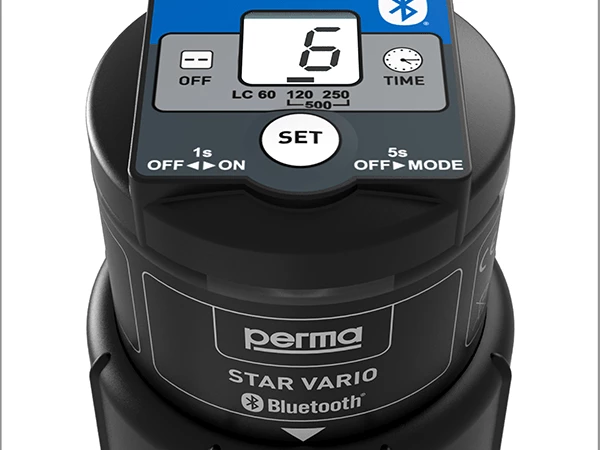
The perma STAR VARIO BLUETOOTH offers realtime configuration, control and maintenance from a distance via the perma CONNECT app.


The perma STAR VARIO LONG RANGE uses LoRa® wireless technology to manage up to 2,000 lubrication systems per gateway over a distance of up to 2 km.
Automatic single-point lubricators are particularly effective for critical assets, inaccessible or hazardous lubrication points, and applications where consistent grease volume and interval are difficult to achieve manually. Solutions such as perma’s Bluetooth and Long Range single-point lubricators take this approach to the next level by adding remote monitoring, adjustment, and visibility into lubrication performance. These capabilities enable maintenance teams to manage lubrication more proactively, reduce manual intervention, and further standardize best practices across the plant without sacrificing precision.
Bottom Line
Effective bearing lubrication is not defined by how much grease is applied, but by how accurately grease volume and relubrication intervals are calculated and executed. Overgreasing introduces unnecessary heat, pressure, and contamination risks that directly shorten bearing and equipment life. By establishing a structured maintenance program, applying grease life and volume calculations, and using feedback tools to validate intervals, organizations can significantly reduce lubrication-related failures.
Manual greasing remains a viable and effective practice when performed with precision and consistency. However, as equipment complexity increases and access becomes more challenging, automatic single-point lubricators offer a reliable complement by delivering controlled grease volumes at consistent intervals while improving safety and maintenance efficiency. Ultimately, selecting the appropriate lubrication method—manual or automatic—based on operating conditions, asset criticality, and required precision is essential to protecting bearing life and achieving long-term reliability.
Ready to get greasing right? Explore Automatic Lubrication Solutions